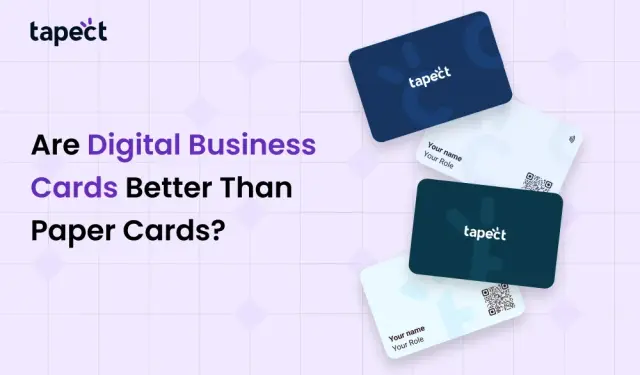
Every week, people meet a lot of new people. Some people meet with clients, some go to events, and some make new business connections. We used paper business cards for years. They seemed straight forward to give out and uncomplicated things. But things are different now. A lot of professionals now utilise digital business cards. These cards stay on phones, can be shared in seconds, and have more information than a little paper card.
The big question is easy. Are electronic business cards superior than traditional ones?
This blog talks about both methods, their merits and cons, and why most people today prefer digital cards. It also explains how an electronic business card can help you save time, money, and develop your network faster.
What is a business card that is digital?
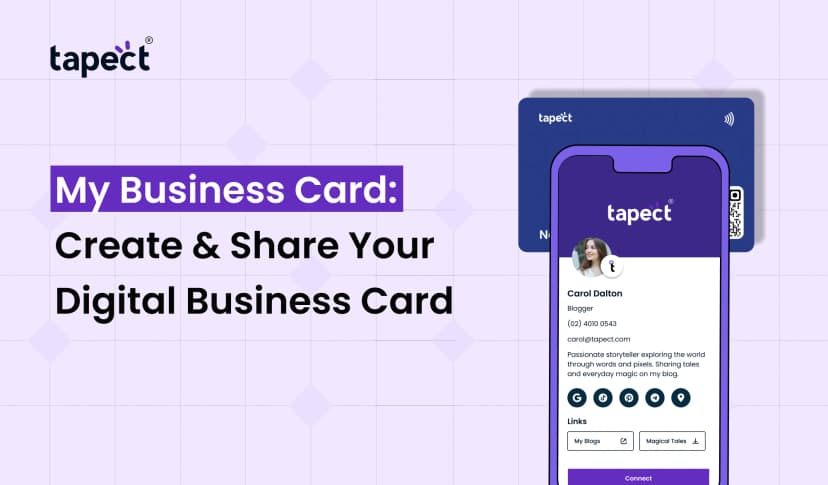
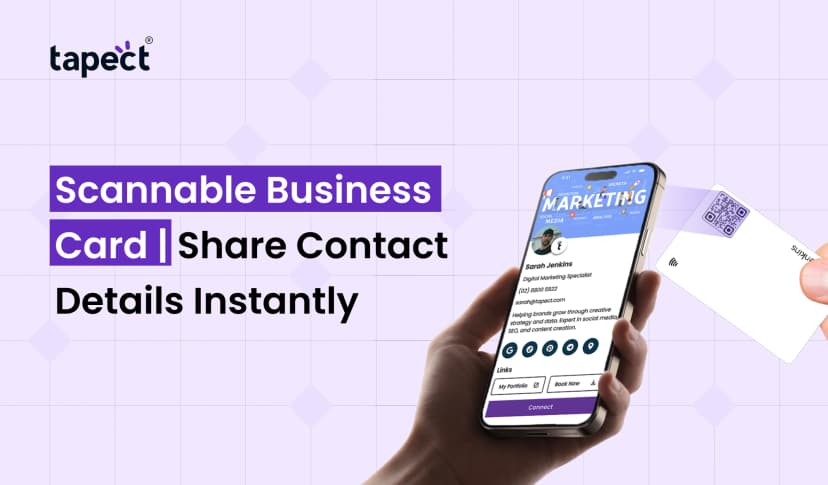
A digital business card is a more advanced version of a regular card. It keeps your name, picture, phone number, email address, links, and employment profile. You can share this card by tapping it, scanning a QR code, or sending a link. People can open it on their phones or laptops.
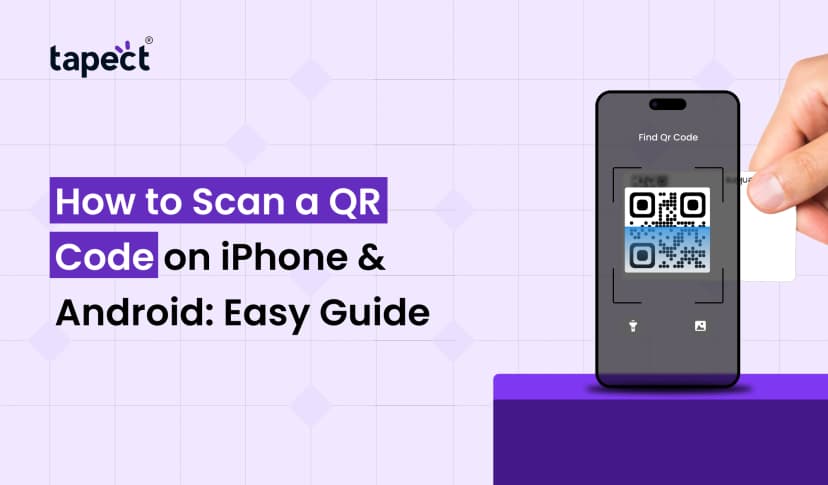
There are several types of digital cards. Some are just links. Some use NFC. Some people utilise QR codes. The purpose of all of them is to make it easy and quick for people to get in touch with you.
A lot of programs now come with ready-made templates for making digital business card profiles. You can add your logo, pick a theme, upload links, and change the card whenever you want without having to print it again.
What is a business card made of paper?
A business card made on paper is a little card that has been printed. It has your name, phone number, email address, and maybe a logo or tagline. When you meet someone in person, you give it to them. People keep this card in their wallet or desk drawer.
Paper cards are useful, but they have several problems. They take up room, get lost, fade over time, and cost money to print again when your information changes.
The Reason People Are Switching to Digital Business Cards
A lot of individuals have smartphones now. This one change revolutionised the way we communicate knowledge. Links, QR codes, and online profiles are what contacts like best. They want to be able to quickly get to your information. With one tap, they want to save your number. They want to look at your social media profiles without having to type out long names.
This is when digital business cards make sense. They take away the discomfort of typing by hand and losing cards. They assist you remember your information at all times. They also make you look current, uncomplicated, and easy to get to.
A full comparison between digital business cards vs paper cards
Here is a comprehensive comparison of the two sorts of cards so you can choose the right one.
1. How easy it is to share
Digital Business Cards: You may give someone your card with a tap, a QR scan, or a link. In a matter of seconds, the other individual saves your information. They don’t have to type anything. This cuts down on mistakes and increases reach.
Paper Cards: You give the card by hand. The other person has to carry it, keep it safe, and type your number later. A lot of cards get thrown away or lost.
2. Price and Printing
Digital Business Cards: Pay once or subscribe for a minimal fee. You can change your information at any time without paying extra. When your number or job title changes, you don’t have to produce new cards.
Paper Cards: You have to pay every time you print new ones. You have to print again if you change your phone or logo. This costs more over the course of the year.
3. Space for Information
Digital Business Cards: You can add buttons, maps, videos, links, contact forms, and a lot more to digital business cards. You can link to your product pages, website, portfolio, Instagram, and LinkedIn. You can also put a little film at the beginning. There is no restriction on space.
Paper Cards: You don’t have much room. You should just print the most important information. The card seems overloaded with anything extra.
4. Customisation and Design
Digital Business Cards: You can change the design of your digital business card at any moment. With only one click, you can change colours, upload a new profile picture, update your address, adjust fonts, and refresh the layout. You can change your digital business card pages every day if you know how to make them.
Paper Cards: You can’t edit the design after it’s been printed. You have to reprint even for little modifications.
5. Effect on the environment
Digital Business Cards: No waste, no ink, no paper. Sharing is good for the environment and safe.
Paper Cards: Making paper cards means chopping down trees, using ink, and adding waste. People toss away most paper cards after a week.
6. Keeping everything neat and organised
Digital Business Cards: With only one tap, people may save your card to their phone. They can keep hundreds of contacts without making a mess.
Paper Cards: People have to keep paper cards in a drawer or wallet. A lot of cards get jumbled up, ripped, or misplaced.
7. Reach and Visibility Online
Digital Business Cards: When someone opens your card, they can see anything you do online. They can see all of your links, including your website, social media, and email. This helps you look real and builds trust.
Paper Cards: A paper card doesn’t disclose anything you do online. The person has to look for you. This takes work and makes it harder to contact people.
The Benefits of Using an Electronic Business Card
Your digital professional identity is your computerised business card. It helps you meet people in a sensible and clean way. Here are the main benefits:
Instant Sharing: You can send your card using WhatsApp, email, SMS, or social apps.
Always Up to Date: You can change your phone or address at any moment, and the details will update immediately.
High Engagement: You may show off your work on your card with links, buttons, and pictures.
Safe Storage: You won’t lose your card. It is always online.
Good for events: use QR boards to share with big groups.
Low cost: no printing costs, no waste, and no need to pay again.
Make a good first impression by looking current and trustworthy to clients.
When Paper Cards Still Work
There are still certain uses for paper cards. Some customers or those who live in rural areas like printed cards better. Some people choose to maintain a physical card. A paper card still works in tiny stores, local workplaces, or casual get-togethers.
Most professionals now use both, though. They don’t carry many paper cards; instead, they mostly use digital business cards for work.
Frequently Asked Questions About Digital Business Cards
Q1: What does it mean to have a digital business card?
It is a card that you keep on your phone or online. You can send it by a link, QR code, or NFC.
Q2: What steps do I need to take to make a digital business card?
Use tools on the internet. Put in your information, logo, links, and then save. You may change it at any time.
Q3: Is it safe to share an electronic business card?
Yes, you can safely share it through apps, email, or QR codes. There is no chance of losing it.
Q4: Are digital cards able to totally take the place of paper cards?
Yes, for most professionals. Some scenarios may still call for printed cards.
Q5: Do digital business cards cost a lot?
No, a lot of tools are free or cheap. They save money because they don’t have to print paper cards over and over.
Final Thought
Most individuals would rather have digital business cards than physical ones. They save time, cut costs, reach more people, and look current. An electronic business card makes it easy to distribute your information and keep it up to date.
Start making digital business card profiles for your team or personal brand right now. Digital cards allow you connect with more people, cut down on waste, and remain in touch in a world that moves quickly. Digital cards are the way of the future, but paper cards still work sometimes.
 8/21/2026
 business