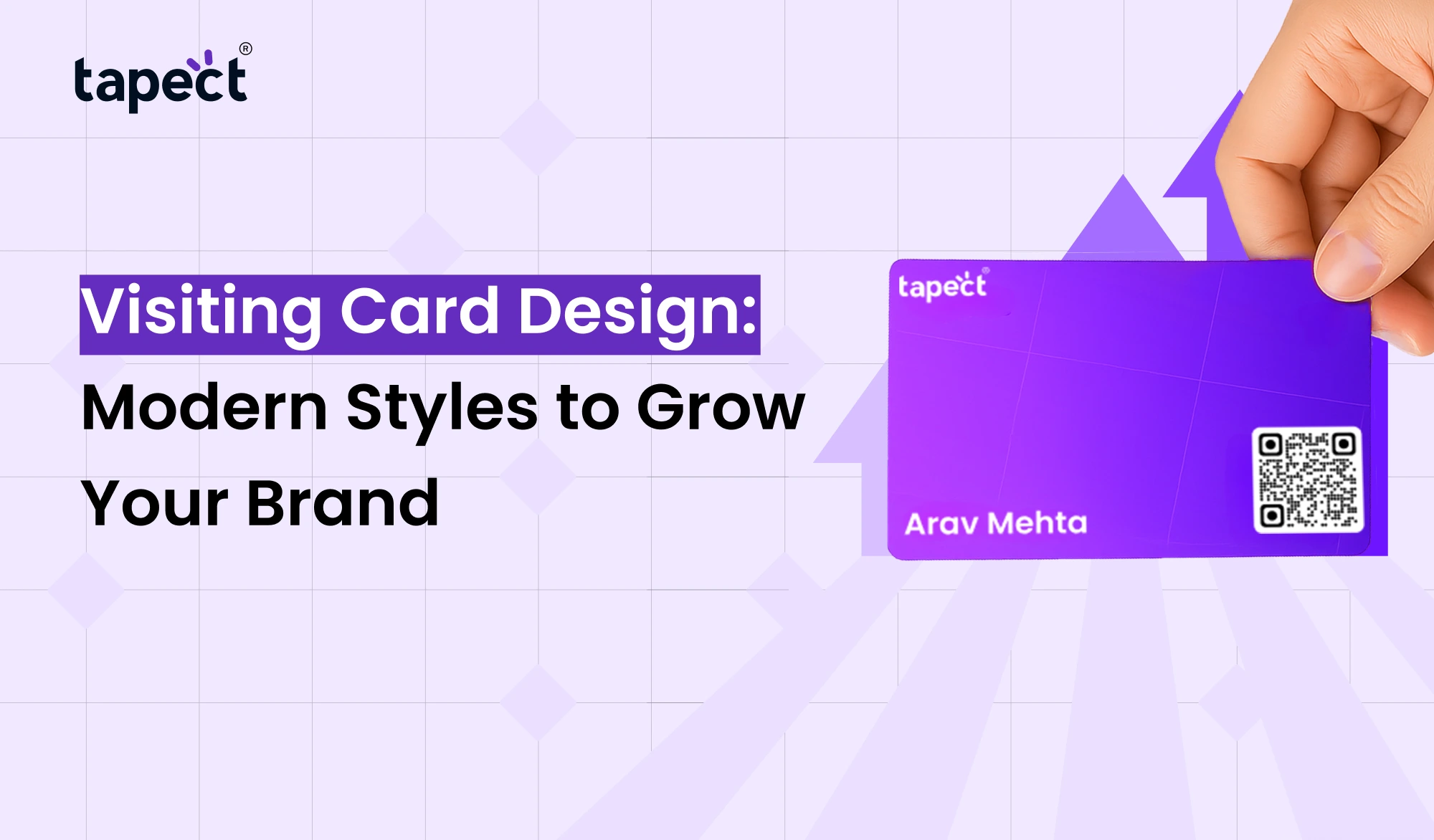
Your visiting card is usually the first thing people notice about your business. When you meet a new client, attend a business event, or connect with someone professionally, a well-made card helps people remember you. It shares your contact information and gives them a quick idea of your brand.
A good Visiting Card Design is not just name, phone number and email address. It shows off your brand style, builds trust and makes your business look professional. In a world where people use smartphones to do just about everything, there’s still a place for printed cards.
Today, there are many options for companies ranging from a simple clean layout to creative designs and smart NFC technology. Professionals with brands like Tapect can also look at modern ways of sharing business information.
In this guide, we’ll go through popular styles, useful design tips and new trends to help your brand stand out.
Why Does Visiting Card Design Matter for Your Brand?
Your card is your business when you are not there to explain your services. A good first impression is made with an attractive and well designed layout.
Why it matters Here are some reasons:
- Creates a strong first impression: A neat card makes your business look professional.
- Builds brand identity: Your logo, colours, and fonts help people recognise your company.
- Makes contact easy: People can quickly find your phone number, email, and website.
- Supports networking: You can share your details during meetings, events, and business visits.
- Helps people remember you: A unique design gives people a reason to keep your card.
A carefully designed Visiting Card Design can make small businesses, freelancers, shop owners and big companies to make their presence felt with confidence.
Modern Visiting Card Design Styles to Try
There is no one design that suits all businesses. Make sure your choice fits your industry, your audience and your brand personality. Here are a few common styles to consider.
1. Minimalist and Clean Design
Simple designs are liked because they look neat and are easy to read. They use less color, clear fonts and sufficient white space.
You may include:
- Your company logo
- Your name and job title
- Phone number and email address
- Website or social media details
This style works well for consultants, lawyers, designers and corporate professionals. A clean Visiting Card Design lets people concentrate on the essential details.
2. Creative and Colourful Design
If you work in fashion, photography, marketing or creative services then colorful layouts can help show off your personality.
Aim to use two or three brand colors, rather than adding too many shades. You can make the card more interesting by using creative shapes, patterns or different font styles.
The goal is to look different without making the information hard to read.
3. Premium and Luxury Design
Premium cards are a good fit for brands that want to project an elegant image. Dark backgrounds, gold details, textured paper and special finishes can give a card a high quality look.
Some common choices are:
- Matte or glossy finishes
- Gold or silver foil
- Embossed logos
- Thick and textured paper
A premium Visiting Card Design can be a useful tool for real estate companies, luxury stores, hotels and other high-end service providers.
4. Vertical Card Layout
Most traditional cards are horizontal, but vertical layouts give a fresh look. It provides you with another option for positioning your logo, name and contact information.
This style is good when you want your card to look modern without adding too many design elements.
5. Digital and NFC Card Style
Technology has changed the way that professionals exchange their contact information. Imagine an NFC card as a way for someone to share their business info with any compatible smart phone just by tapping it.
Furthermore, a digital business card can be used to share website links, social profiles, phone numbers, email addresses, and other useful information.
Tapect provides state-of-the-art digital networking solutions that enable professionals to share their information without relying solely on printed cards.
Important Elements Every Business Card Should Have
A good design should look good, but also be functional. Double check to ensure that your design has the right details before sending it for printing.
Here are the main things to include:
- Company logo: Use a clear logo that represents your brand.
- Full name: Add the name people should use when contacting you.
- Job title: Mention your role or profession.
- Contact number: Provide an active phone number.
- Email address: Use a professional email address.
- Website: Add your company website to help people learn more.
- Business address: Include it if customers need to visit your location.
- QR code: Add one if you want people to access your website or contact details quickly.
Good Visiting Card Design keeps these things in order. Do not add unnecessary information that makes the card crowded.
How to Create a Professional Business Card
You don’t have to be a design whiz to make a professional card. With the right tools, and a clear idea, you are able to develop a design that fits your brand.
Step 1: Choose Your Brand Style
First, determine how you want to be perceived by people. Consider your brand colors, logo, target customers and industry.
Step 2: Select a Design Tool
A business card maker can help beginners create layouts without starting from the scratch. Select a template, change the colors, add your logo and enter your contact information.
Or you can also check out business cards on canvas, if you want ready-made layouts and simple editing options.
Step 3: Pick the Right Fonts and Colours
Use easy to read fonts. Limit the use of font styles on a single card. Use your brand colors consistently so customers can associate the card with your business.
Step 4: Check the Layout
Make sure all the info is in the right place. Allow enough space around text and logo. Make sure you spelled your name, phone number and website correctly before continuing.
Step 5: Choose a Printing Option
When your design is finished, look for business card printers you can rely on. Before ordering ask about paper quality, printing finishes, card size and delivery time.
A professional Visiting Card Design should look good on screen and print. If possible, always check a final sample.
Printed vs Digital Business Cards: Which Is Better?
Each choice has its advantages. The choice you make depends on how you will meet clients and relay your business information.
Printed cards:
- Easy to hand over during face-to-face meetings.
- Useful at exhibitions, conferences, and business events.
- Available in different paper types and finishes.
- Do not depend on a smartphone or internet connection.
Digital cards:
- Easy to share through a smartphone.
- Can include multiple contact and social links.
- Contact information can be updated without printing new cards.
- Reduce the need to carry large numbers of printed cards.
A modern Visiting Card Design can also be a combination of both. Use printed cards for traditional networking and digital solutions for quick online sharing.
How Tapect Helps You Build Better Business Connections
Tapect helps professionals and businesses to network smarter. You can use online resources to make your business information more accessible, rather than just listing basic contact information.
Share your digital profile with a compatible smartphone with a simple tap of a Tapect nfc business card. Sharing a QR code also provides people another way to open your profile.
Some of the helpful benefits include:
- Share your contact details with a simple tap or QR scan.
- Add your website and social media profiles.
- Make it easier for customers to connect with your business.
- Reduce the need to carry and print extra cards.
- Keep your professional information available in one place.
Tapect also makes it easy to keep your networking details current as your business grows. Whether you are a freelancer, business owner, sales professional or company representative, a digital profile can assist you in making better connections.
Common Mistakes to Avoid When Designing a Card
A good business can still lose attention if a card is hard to understand. Remember these common mistakes:
- Too much information: Add only the details people need.
- Small font size: Make sure contact information is easy to read.
- Poor colour choices: Avoid colour combinations that make text hard to see.
- Low-quality logo: Always use a clear, high-resolution logo.
- No brand consistency: Keep your colours, fonts, and logo style consistent.
- Incorrect contact details: Check every detail before printing.
- Ignoring digital options: Consider adding a QR code or smart sharing feature.
Avoiding these mistakes will make sure that your Visiting Card Design looks clean, useful and professional.
FAQs
1. What is a good visiting card?
A good card has a clear logo, readable fonts, useful contact details and colors that fit your brand. It should appear professional but not congested.
2. Can I design a business card without design skills?
Yes. You can make card using online templates and editing tools. Choose a layout, add your business information, and change colors and fonts.
3. What should I include on my business card?
Please include your name, job title, company logo, phone number, email address and website. You can also add your office address and QR code.
4. Are digital business cards superior to printed cards?
Both have their pluses. Printed cards are great for face-to-face meetings, but digital cards make it easier to share and update contact information. You can use both for better networking opportunities.
5. What’s NFC Business Card?
An NFC card uses near-field communication technology to transfer information to a compatible smartphone. The user then taps the card to their phone to bring up the digital profile.
6. How can Tapect benefit my business?
Tapect offers intelligent digital networking solutions that allow professionals to share contact information, websites, and social profiles using NFC and QR code technology.
Conclusion
A business card may be a small thing, but it can have a big impact on people’s perception of your brand. You can design a card that’s right for your business identity in a number of ways, from simple layouts to premium finishes and smart digital options.
The right Visiting Card Design should be easily readable, visually appealing and useful to your customers. Clear information, consistent brand colors and a style that reflects your work.
As networking goes digital, adding smart technology to traditional cards can give your business more ways to connect. Share your professional details with NFC and QR code solutions easily with Tapect.
Ready to make networking easy? Discover smart digital business card solutions for your brand at Find out Tapect. Visit Tapect and move forward to better business connections.
 23 Nov 2026
 business